


10 Safe Driving Tips in India: How to Stay Safe on the Road
Driving safely in India starts with simple habits. Learn 10 practical safe driving tips that can help you avoid common road risks, protect yourself and others, and make every journey safer.
Introduction
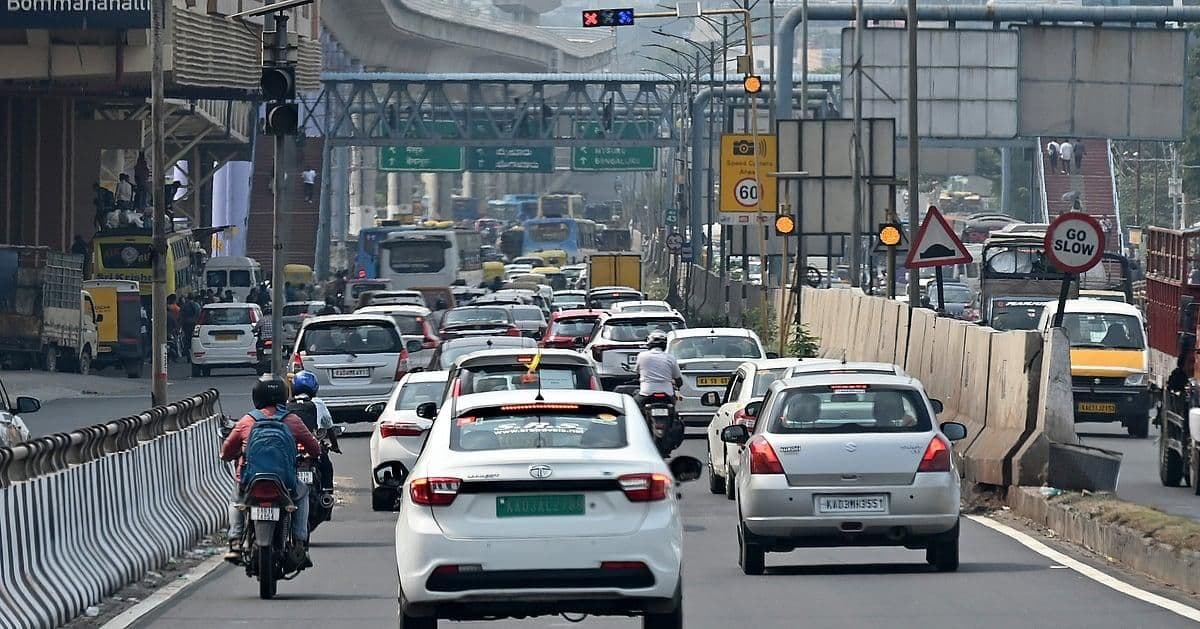
Driving in India can be unpredictable. Busy city traffic, highways, potholes, sudden lane changes, pedestrians, two-wheelers, animals and changing weather conditions can all make everyday journeys more challenging.
The good news is that safer driving does not require complicated techniques. Small, consistent habits such as wearing a seat belt, following speed limits, avoiding mobile-phone distractions and maintaining a safe following distance can make a meaningful difference.
According to the Ministry of Road Transport and Highways (MoRTH), India recorded 4,61,312 road accidents and 1,68,491 road accident fatalities in 2022. Over-speeding was associated with 71.2% of road-accident deaths that year.
That makes safe driving more than a good habit. It is an everyday responsibility.
10 Essential Safe Driving Tips in India
1. Always Wear Your Seat Belt
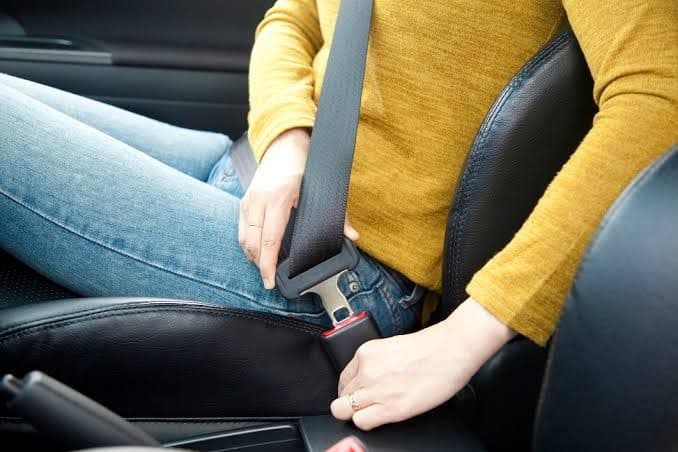
A seat belt is one of the simplest and most important safety measures in a car. Wear it every time you drive, even for short trips.
MoRTH reported that 16,715 people were killed in road accidents in 2022 while not wearing seat belts, including 8,384 drivers and 8,331 passengers.
Safe driving tip: Make buckling up the first thing you do after getting into the car.
2. Follow Traffic Rules and Signals
Traffic rules exist to make roads predictable for everyone. Follow traffic lights, lane markings, road signs and speed limits, and never assume that other road users will react exactly as you expect.
Avoid jumping red lights, driving on the wrong side of the road or making sudden lane changes.
Safe driving tip: Treat traffic rules as your default, not something to follow only when enforcement is visible.
3. Never Use Your Phone While Driving
A notification, call or quick message can wait. Looking at a phone while driving takes your attention away from the road and can delay your reaction to sudden hazards.
MoRTH recorded 1,997 road accidents and 1,040 deaths in 2021 associated with the use of mobile phones.
Safe driving tip: Put your phone on silent or use a hands-free setup before you start driving.
4. Maintain a Safe Following Distance
Do not drive so close to the vehicle ahead that you have no room to react.
Traffic can stop suddenly because of a pedestrian, pothole, animal, vehicle breakdown or unexpected lane movement. Leaving enough space gives you more time to brake safely.
Safe driving tip: Use the two-second rule as a basic starting point and increase the gap in rain, fog, poor visibility or heavy traffic.
5. Use Indicators Before Turning or Changing Lanes
Indicators communicate your intentions to everyone around you.
Signal before changing lanes, making a turn or moving around parked vehicles. Avoid making sudden movements without warning.
Safe driving tip: Signal early, check your mirrors and blind spots, then make the manoeuvre when it is safe.
6. Watch Carefully for Pedestrians, Two-Wheelers and Animals
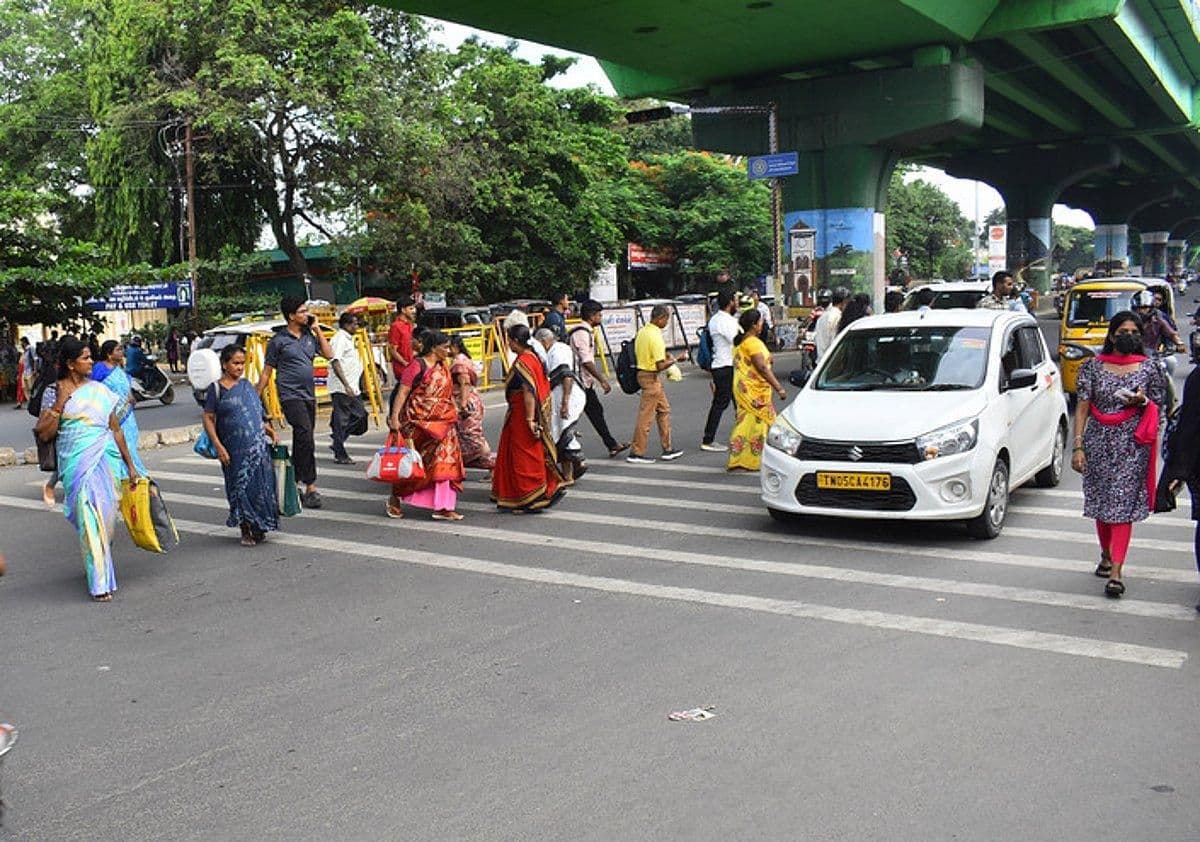
Indian roads include a wide mix of road users. Pedestrians may cross unexpectedly, motorcycles can appear in blind spots, and animals may enter the road without warning.
Be particularly cautious near:
- Markets and shopping areas
- Schools and residential streets
- Bus stops
- Intersections
- Narrow roads and village areas
Safe driving tip: Slow down when visibility is limited and always expect something unexpected.
7. Avoid Over-Speeding
Speed can turn a manageable situation into a serious crash.
MoRTH data shows that over-speeding was associated with 71.2% of road-accident fatalities in India in 2022. In 2023, it still accounted for 68.07% of road-accident deaths.
Following the posted speed limit is therefore one of the most important safe driving habits you can develop.
Safe driving tip: Do not treat the speed limit as a target. In poor road, traffic or weather conditions, a lower speed may be more appropriate.
Tranna rewards eligible safe driving with coins based on driving within speed limits, turning safer journeys into a habit with a tangible benefit.
8. Use Headlights Correctly
Good visibility is essential, especially at night and during rain or fog.
Use your headlights appropriately and switch from high beam when approaching or following another vehicle. Avoid using high beams in situations where they can reduce another driver's visibility.
Safe driving tip: In low visibility, reduce speed and increase your following distance instead of relying only on headlights.
9. Drive Defensively
Defensive driving means thinking beyond your own actions.
Watch for vehicles changing lanes without warning, pedestrians crossing unexpectedly, motorcycles moving through gaps and drivers who may not follow traffic rules.
You cannot control what other road users do, but you can control how prepared you are to respond.
Safe driving tip: Keep scanning the road ahead, check mirrors regularly and leave yourself enough space to react.
10. Take Breaks During Long Drives
Fatigue can affect concentration, reaction time and decision-making.
On long journeys, take regular breaks rather than trying to finish the drive without stopping. Get out, stretch, hydrate and rest when you feel tired.
Safe driving tip: Never try to push through serious drowsiness. Stopping for a break is safer than continuing when you are not fully alert.
Bonus: A Simple Safe Driving Checklist
Before you start your next trip, remember:
Seat belt on. Phone away. Speed within the limit. Enough distance ahead. Indicators before moving. Eyes on the road.
Simple habits can make a big difference.
Why Safe Driving Matters
Road safety is not only about avoiding fines or preventing accidents. It is about protecting the people who share the road with you.
Every driver, rider, passenger and pedestrian plays a part in creating safer roads. When safer decisions become everyday habits, the entire road environment becomes more predictable.
Frequently Asked Questions
What are the most important safe driving tips in India?
The most important habits include wearing a seat belt, following traffic rules, staying within speed limits, avoiding mobile-phone use, maintaining a safe following distance and staying alert to pedestrians, motorcycles and other road users.
Why is over-speeding dangerous?
Higher speeds reduce the amount of time available to react to hazards and can increase the severity of crashes. MoRTH reported that over-speeding was associated with 71.2% of road-accident fatalities in India in 2022.
Is it important to wear a seat belt on short trips?
Yes. Crashes can happen on any journey, including short trips. Making seat-belt use automatic removes the need to make a decision every time you get into a vehicle.
How can I avoid distracted driving?
Keep your phone away before starting your journey, avoid texting or browsing while driving, and set navigation or music before moving.
Final Thought
Safe driving is built one decision at a time.
Slow down when conditions demand it. Leave enough space. Stay focused. Follow the rules. Look out for the people around you.
Because getting there safely will always matter more than getting there faster.